

-
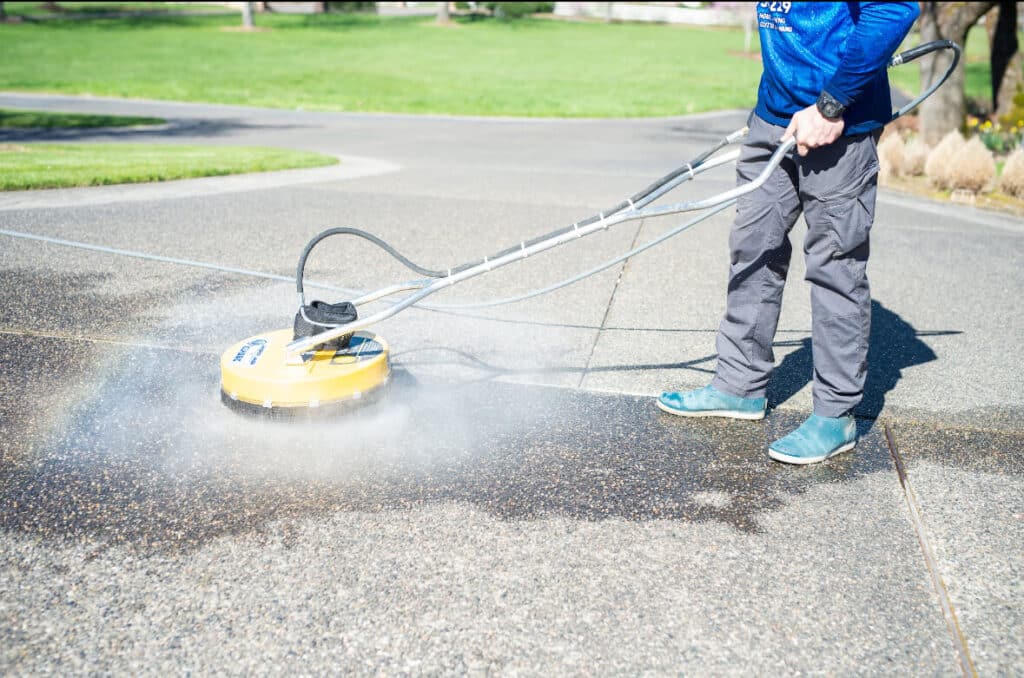
The Hidden Dangers of Ignoring Stains on Driveways and Walkways
Key Takeaways Many property owners consider stains on their driveways or walkways to be a minor nuisance or simply an aesthetic issue. But what seems harmless can quietly lead to major structural and safety concerns. Oil, rust, algae, and organic buildup can seep into concrete over time, causing surface degradation that weakens the material. Concrete is porous. When substances like motor oil or mold remain unaddressed, they penetrate the surface and create long-term damage. This often leads to cracks, potholes, and uneven areas that are more difficult and costly to repair. In worst-case scenar
-
Top Signs It’s Time to Schedule a Professional Fence Cleaning
Key Takeaways Fences endure constant exposure to outdoor elements, making them prone to dirt, algae, mildew, and general wear over time. Homeowners in Oregon often notice their fences losing color, developing mold, or showing signs of warping after seasons of rain, sun, and wind. When the surface of your fence remains discolored or stained despite regular rinsing, it’s a clear sign it needs deeper, professional care. Common warning signs include: Spotting these signs early can prevent extensive repair or replacement costs down the line. Benefits of Consistent Fence Maintenance Maintaining a cl
-
How Often Should You Clean Your Fence and Concrete Surfaces?
Key Takeaways Fences and concrete surfaces are among the first features people notice when visiting a home or business. Over time, exposure to weather, organic buildup, and daily wear can take a toll on their appearance and functionality. Regular cleaning not only preserves aesthetics but also extends the life of these surfaces. In climates with high humidity or seasonal moisture—such as in the Pacific Northwest—mildew, algae, and moss can quickly accumulate. Dirt buildup and staining from leaves, pollution, and animals can further reduce the appeal and safety of your outdoor areas. Neglecting
-
How Long Does Paver Sealing Last, and When Should You Reseal Your Surface?
Key Takeaways Paver sealing is a vital part of protecting outdoor surfaces like driveways, patios, and walkways from wear, stains, and weather damage. In general, sealants can last anywhere from two to five years, depending on the type used and the conditions your pavers face. For example: If your pavers are in a shaded, low-traffic area, you might get closer to the five-year mark. But in areas with high exposure and frequent use, a two- to three-year resealing cycle is often more realistic. Signs It Might Be Time to Reseal Waiting too long between reseals can lead to issues like staining, mos
-
Key Reasons to Seal and Sand Pavers the Right Way
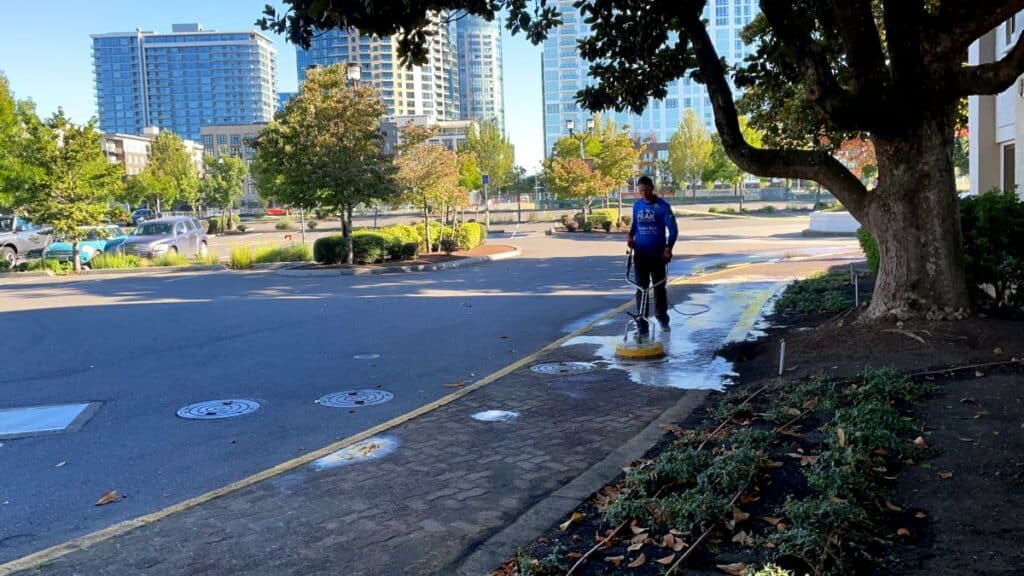
Key Takeaways Your driveway, patio, or walkway plays a huge role in first impressions. Paver installations can significantly elevate curb appeal, but without routine care, they quickly lose their visual and structural integrity. Sealing and sanding are two crucial components in maintaining not just the appearance but also the longevity of these surfaces. Proper sealing shields your pavers from common enemies—UV damage, freeze-thaw cycles, moisture penetration, and staining. At the same time, joint sanding keeps the individual pavers locked in place, minimizing weed growth and structural shifti
-
Why Proper Paver Sealing and Sanding Is Essential for Long-Lasting Curb Appeal
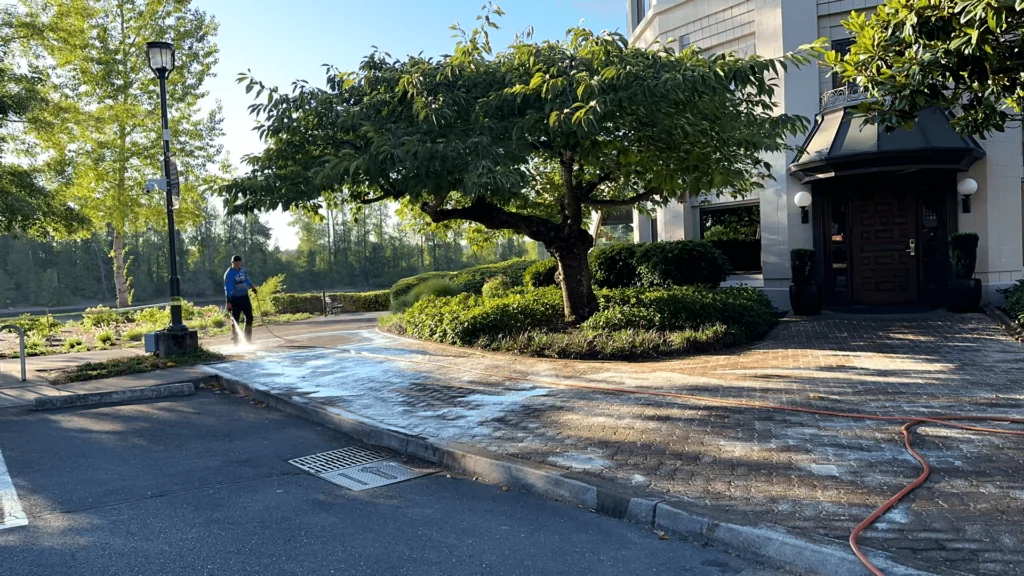
Key Takeaways Pavers are a beautiful addition to any property, but Oregon’s climate poses a constant challenge. Between rain, snow, sun exposure, and foot traffic, unsealed pavers can fade, crack, or shift over time. That’s where sealing and sanding come in. Sealing creates a protective barrier that defends against moisture, stains, and UV damage. Meanwhile, sanding fills the joints between pavers to stabilize the surface and prevent weed growth. Together, these two services help extend the lifespan and preserve the appearance of your hardscaped areas. How Oregon Weather Impacts Pavers Living
-

Why a Professionally Cleaned Deck Is the Key to Summer Enjoyment
Key Takeaways As the sun finally peeks out and temperatures rise, your deck becomes a hub for barbecues, family gatherings, and relaxing evenings. But before you roll out the grill or lay down the patio furniture, ensuring your deck is clean, safe, and ready for summer isn’t just about looks. It’s about protection, value, and longevity. In Oregon, where damp weather contributes to fast-growing mold, moss, and algae, decks face more than surface-level grime. These contaminants can eat away at materials, cause slippery conditions, and significantly reduce the lifespan of your outdoor space. Why
-
What Happens When You Skip Deck Cleaning for Too Long
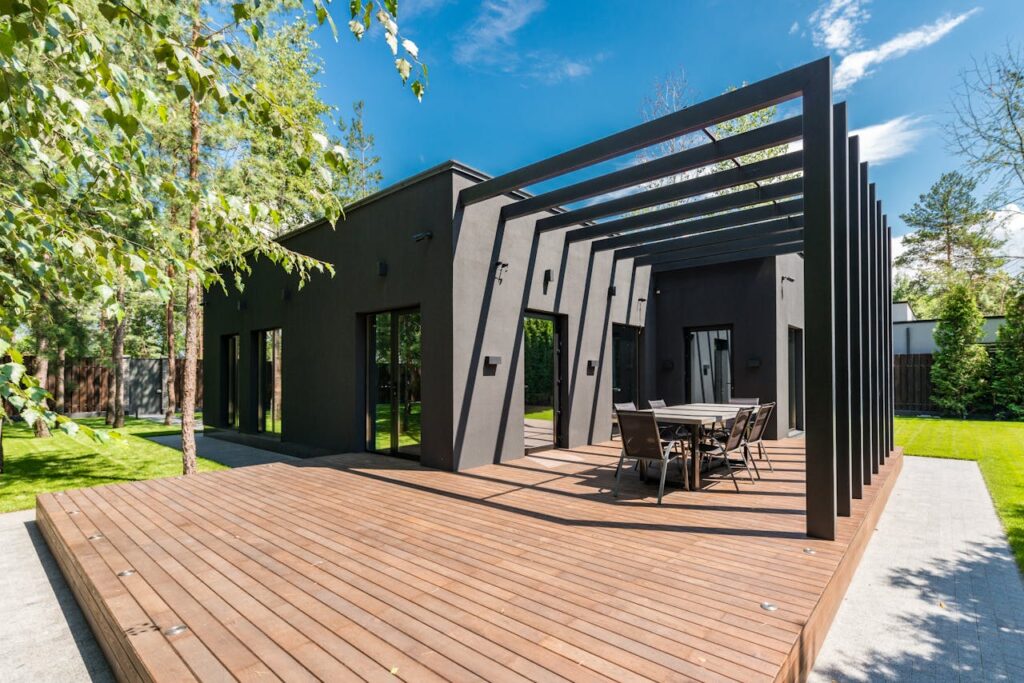
Key Takeaways A neglected deck doesn’t just look bad; it becomes a safety risk and a money pit. Oregon homeowners often underestimate how fast moisture, organic debris, and microbial growth can take over. That charming outdoor retreat can quickly transform into a slippery, weakened structure that threatens both your home’s appeal and your family’s safety. Understanding what happens when you skip regular cleaning helps you make informed decisions about maintenance and protect your investment for the long haul. The Hidden Risks of Skipping Deck Cleaning 1. Mold and Mildew Buildup Oregon’s rainy
-
Why a Clean Deck Adds More Value Than You Think
Key Takeaways When it comes to boosting your home’s value, many homeowners focus on kitchens, bathrooms, or landscaping—but your deck plays a much bigger role than most people realize. A clean, inviting outdoor space can influence a buyer’s first impression, increase usable living space, and even raise appraisal figures. On the flip side, a dirty or poorly maintained deck can send the wrong message: neglect, hidden damage, and potential repair costs. In competitive markets, that perception can lower offers and slow down sales. Why Oregon Decks Are Especially Vulnerable Oregon homeowners face a
-
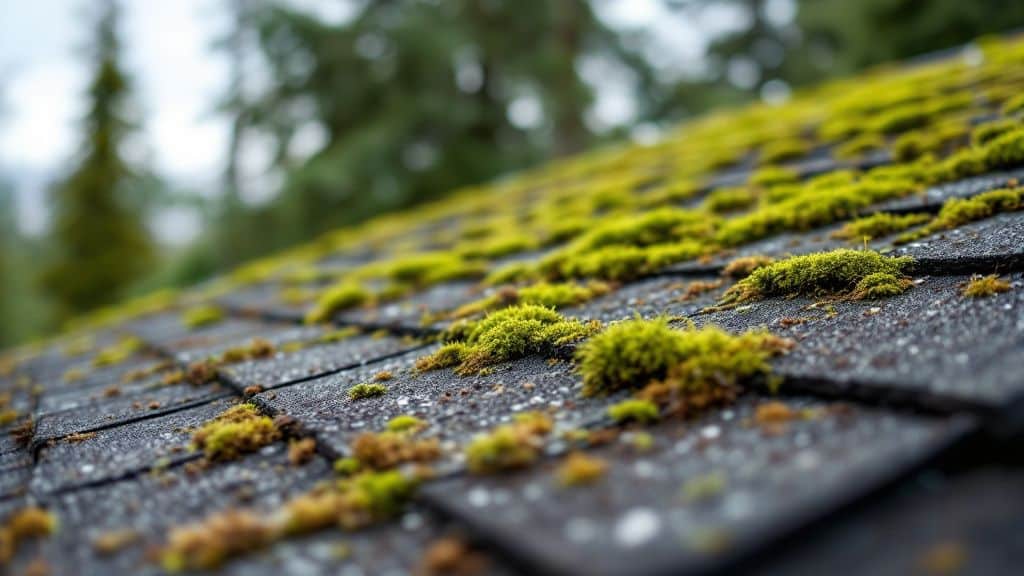
Top 7 Ways the Role of Humidity Affects Plant and Moss Dynamics
The relationship between humidity and plant dynamics is a topic of increasing interest as environmental conditions fluctuate due to climate change. Understanding the role of humidity in plant and moss dynamics is critical for gardeners, landscapers, and environmentalists. This article explores how moisture levels impact plant growth, moss ecology, and overall plant health while addressing common misconceptions and providing actionable insights. Understanding Humidity and Its Importance Humidity refers to the amount of water vapor present in the air. It significantly influences various environm