

What to Inspect on Your Roof After the First Heavy Fall Storm
/ Uncategorized / By Zach Francis
After the first heavy fall storm, you’ll want to inspect your roof from the ground using binoculars, checking for missing, curled, or cracked shingles, lifted flashing, and sagging sections. Clear and examine your gutters for debris, granule buildup, and separation from the fascia. Inside, check ceilings and your attic for water stains, damp insulation, and condensation on rafters. Each of these warning signs tells a specific story about your roof’s condition that’s worth understanding fully.
Key Takeaways
-
Scan your yard and use binoculars to spot displaced, cracked, or missing shingles, documenting findings with photos before calling a professional.
-
Inspect gutters for sagging, blockages, and debris buildup, ensuring downspouts direct water at least three feet from your foundation.
-
Check shingles for cracks, curling edges, missing granules, and dark streaks, which may indicate moisture infiltration or significant erosion.
-
Examine flashing around chimneys and vents for lifted edges, visible gaps, rust streaks, or separation requiring urgent sealing or replacement.
-
Inspect your attic and ceilings for water stains, condensation, damp insulation, or mold, as these signal potential roof breaches needing immediate attention.
What You Can Spot Without Getting on the Roof
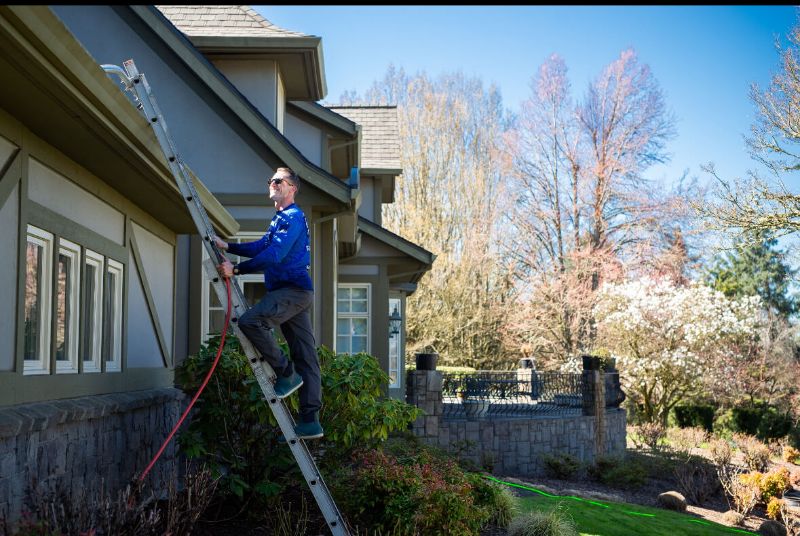
After a storm passes, you don’t need to climb onto your roof to identify potential damage — a careful ground-level inspection can reveal quite a bit. Start by scanning your yard for displaced shingles, granule buildup near downspouts, or scattered roofing debris. Use binoculars to check for lifted, cracked, or missing shingles along ridgelines and eaves. Look for sagging sections, which can indicate structural stress or water infiltration. Inspect gutters for visible detachment or bending. Seasonal inspections conducted from ground level are a practical first step in consistent roof maintenance, helping you catch issues before they escalate. Check your siding and fascia boards for water staining, which often signals that roof runoff isn’t draining properly. Document anything suspicious with photos before scheduling a professional assessment. Clogged gutters after a fall storm can lead to water overflow damage, affecting your siding and foundation if left unaddressed.
How to Spot Storm Damage on Shingles and Flashing
Once you’ve identified obvious signs of damage from the ground, you’ll want to use binoculars or a drone to closely examine your shingles for cracks, missing granules, curling edges, and impact bruising left by hail. Pay particular attention to flashing around chimneys, skylights, and valleys, as storm winds frequently separate or lift these metal strips, creating gaps that allow water infiltration. Any shingle that appears blistered, torn, or displaced—or any flashing that shows visible separation from the roofline—requires prompt professional evaluation before the next rain event. In the Pacific Northwest especially, post-storm moisture left unaddressed accelerates moss and algae growth, which can further compromise damaged roofing materials and lead to decay if not treated promptly.
Identifying Damaged Shingles
Everything on your roof tells a story after a storm, and shingles are where that story is most visible. Start by scanning for curled, cracked, or missing shingles, which indicate wind or impact damage. Look closely for shingle discoloration, particularly dark streaks or uneven fading, which can signal moisture infiltration or surface degradation.
Pay attention to your gutters and downspouts. Excessive shingle granules collecting there confirm surface erosion, which compromises your shingles’ UV protection and accelerates deterioration. On the roof itself, bare or thin patches where granules have worn away are equally concerning.
Check for shingles that appear lifted at the edges or corners. Wind can break the adhesive bond, leaving those areas vulnerable to water intrusion during future rain events. Left unaddressed, these vulnerabilities allow algae and mold growth to take hold, which can further compromise roof integrity and affect your home’s indoor air quality.
Inspecting Flashing Gaps
Shingles aren’t the only storm vulnerability worth examining closely—flashing failures are just as common and often more damaging because they go unnoticed longer. Flashing runs along roof valleys, chimneys, skylights, and vent pipes, and storm pressure can pull it loose or crack the sealant holding it in place.
During your inspection, look for lifted edges, visible gaps, rust streaks, or separated seams. Run your hand along flashing edges where they meet vertical surfaces—any give or movement signals compromised flashing maintenance. Water infiltrates these gaps quickly, causing structural rot before interior damage appears.
Proper sealing techniques involve applying roofing sealant beneath lifted sections and pressing the flashing firmly back against the substrate. If corrosion or significant separation exists, professional replacement is the more reliable solution. Left unaddressed, these moisture entry points can lead to mold growth and structural damage that compromises the integrity of your entire home.
Check Your Gutters for Blockages and Structural Damage
Gutters take a beating during storms, so they’re one of the first places you should inspect once the weather clears. Walk the perimeter of your home and look for visible sagging, separation from the fascia board, or sections that have pulled away from their mounting brackets — all signs of compromised structural integrity. Check downspouts for dents, disconnections, or blockages caused by leaf debris and sediment washed in during heavy rainfall. Clogged gutters force water to overflow, which can saturate your foundation, damage siding, and accelerate wood rot. Proper gutter maintenance means clearing all debris, flushing the system with water, and confirming that downspouts direct flow at least three feet away from your foundation. Even if your gutters appear intact, gutter guards do not eliminate the need for maintenance, as small particles can still accumulate and cause blockages over time. Address any damage before the next storm arrives.
How Rain and Debris Accelerate Existing Roof Problems
What starts as a minor roof issue before a storm can become a major structural problem after one. Cracked flashing, worn shingles, and compromised sealants allow rain penetration the moment water volume increases. Once moisture infiltrates underlayment, it accelerates rot, mold growth, and decking deterioration faster than dry conditions ever would.
Debris accumulation compounds the damage considerably. Leaves, pine needles, and broken branches trap moisture against roofing materials, preventing proper drainage and creating prolonged wet contact that degrades surface coatings and adhesives. Low points around chimneys, skylights, and valleys collect the heaviest debris loads, making those areas especially vulnerable.
You need to treat pre-existing weaknesses as urgent after any heavy storm. What the storm didn’t destroy outright, standing debris and trapped moisture will continue breaking down over time. Storm debris that settles across your roof also creates the ideal conditions for moss and algae growth, which further degrade shingles and roofing materials if left unaddressed.
Interior Warning Signs Your Roof Took a Hit
After a storm, your roof’s damage often reveals itself from the inside before you ever set foot on a ladder. Check your ceilings for yellow or brown water stains, which signal active or recent moisture intrusion through compromised roofing materials. You should also inspect your attic for damp insulation, condensation on rafters, or visible daylight penetrating through the deck, as these conditions confirm your roof took a direct hit. Poor attic ventilation issues can further compound storm damage by trapping moisture against the roof deck, accelerating mold growth and structural deterioration.
Water Stains on Ceilings
Sometimes the most telling signs of roof damage aren’t visible from outside—they’re staring at you from your own ceiling. After a heavy fall storm, inspect every room for water stains, paying close attention to corners, edges, and areas directly beneath roof penetrations like vents, skylights, and chimneys.
Water stains typically appear as yellowish-brown discoloration, often ringed with a distinct border left behind as moisture evaporates. Don’t assume a dry stain means the problem resolved itself—it usually signals an active leak that worsened with each rainfall. Delaying ceiling repair compounds the damage, potentially leading to structural deterioration, mold growth, and insulation failure. Document every stain with photos, note their locations, and cross-reference them with your exterior roof inspection to pinpoint the source accurately. Buildup of moss and algae on your roof can trap moisture and accelerate the kind of wear and tear that makes leaks far more likely after heavy storms.
Attic Moisture Buildup
Your attic is one of the first places to reveal hidden roof damage, so head up there with a flashlight after any major storm. Look for condensation on rafters, damp insulation, or standing water pooling near the eave line. These are clear indicators that storm-driven water breached your roofing system. Don’t overlook attic ventilation components—blocked or damaged soffit vents and ridge vents trap humidity, accelerating mold growth and wood rot. Identifying moisture sources early is critical; water infiltration doesn’t always originate directly above the wet spot due to how it travels along rafters and sheathing. Document everything with photos before conditions worsen. If you find saturated insulation or visible mold colonies, contact a roofing professional immediately to assess the full extent of the damage.
When to Call a Roof Cleaning Professional
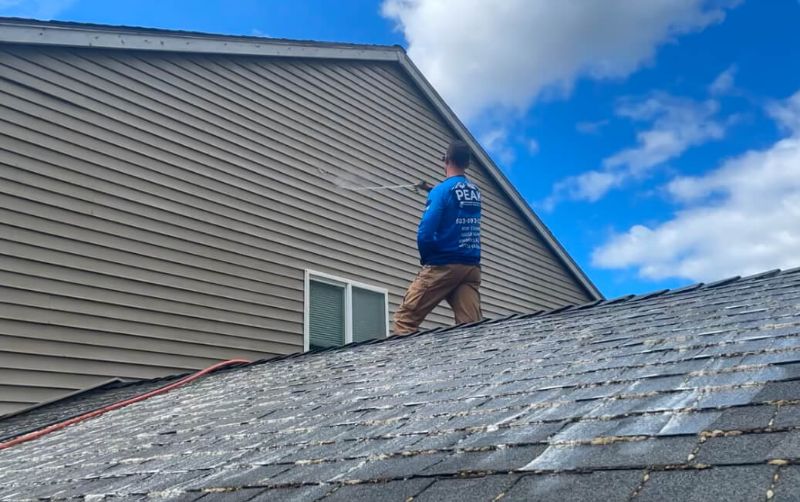
While a visual inspection from the ground can reveal obvious damage, certain conditions call for professional roof cleaning rather than a DIY approach. If you notice widespread moss colonies, black algae streaks, or significant debris accumulation in valleys and around flashings, you need professional services to address the problem safely and effectively.
Attempting to pressure wash your own roof risks damaging shingles, voiding manufacturer warranties, and causing personal injury. Professionals use low-pressure soft washing techniques combined with targeted cleaning solutions that eliminate organic growth at the root level without compromising roofing materials.
After a heavy fall storm, scheduling a professional roof cleaning removes debris, treats biological growth, and gives you a clear assessment of your roof’s actual condition before winter weather intensifies the damage.
Frequently Asked Questions
How Soon After a Storm Should I Inspect My Roof?
Run your storm damage inspection checklist within 24–48 hours after the storm clears. You’ll want to act quickly to catch early signs of damage before moisture penetrates deeper into your roofing system.
Is It Safe to Walk on My Roof for Inspection?
Walking on your roof isn’t recommended without proper training. Instead, use binoculars from the ground or a stable ladder. Follow ladder precautions carefully, and apply roof safety tips by hiring Peak Pressure Washing’s professionals for safe inspections.
Does Homeowners Insurance Cover Storm-Related Roof Damage Repairs?
Most homeowners insurance policies cover storm-related roof damage. You’ll need to document the damage thoroughly, initiate your claim process quickly, and schedule a professional roof assessment to support your insurer’s evaluation effectively.
How Often Should Roofs in Portland Be Professionally Cleaned?
You should schedule professional roof maintenance every 1–2 years in Portland. The region’s heavy rainfall accelerates moss and algae growth, so increasing your cleaning frequency helps prevent long-term damage to shingles and underlying structures.
Can Moss Growth Worsen Significantly After a Single Heavy Storm?
Yes, moss growth can worsen considerably after a single heavy storm. Moisture accelerates spore activation and spread, making roof maintenance critical post-storm. You’ll want moss prevention measures in place before fall rains trigger rapid, damaging colony expansion.
Conclusion
Don’t wait to address what you’ve found during your post-storm inspection. Missing shingles, damaged flashing, clogged gutters, and interior moisture signs all demand immediate attention before Portland’s fall weather delivers another round of rain. Small problems compound fast once water finds an entry point. If you’ve spotted moss growth, debris buildup, or anything beyond basic maintenance, contact a professional roof cleaning and inspection service to protect your home’s structural integrity this season.